Strengthening your website’s EEAT signals; Expertise, Experience, Authoritativeness, and Trustworthiness has become essential for earning visibility across modern search engines and AI-driven answer platforms. As algorithms place greater weight on credibility, transparency, and real-world insight, brands that demonstrate genuine expertise and provide reliable, experience-backed information consistently outperform those relying on surface-level optimization. Whether you publish educational content, reviews, or YMYL resources, building a strong EEAT foundation is now one of the most effective ways to improve rankings, attract engaged readers, and secure long-term search stability.
EEAT : Table of Contents
- Why EEAT Matters in Modern SEO
- Understanding EEAT: Definitions and Core Concepts
- EAT vs EEAT: What Changed and Why It Matters
- How Search Engines Evaluate EEAT in 2026
- Building Expertise Through Content Quality
- Demonstrating Real Experience in Your Content
- Strengthening Authoritativeness Through Signals and Mentions
- Trustworthiness Essentials: Transparency, Accuracy, and Safety
- EEAT for YMYL Pages
- Brand Signals and Reputation Management
- How to Audit Your Current EEAT Strength
- On-Page Elements That Influence EEAT
- Off-Page Elements That Reinforce EEAT
- Examples of High-EEAT Content
- Tools to Improve EEAT
- EEAT Mistakes to Avoid
- Future of EEAT
- EEAT Optimization Checklist for 2026
- FAQs
EEAT; Expertise, Experience, Authoritativeness, and Trustworthiness is now one of the strongest signals search engines use to measure content credibility. To optimize for it, focus on deep, accurate, and original insights backed by firsthand experience, clear authorship, strong topical coverage, and reputable citations. Demonstrate real involvement through examples, screenshots, and practical observations, and reinforce authority with expert bios, external mentions, consistent branding, and responsible editorial standards. Maintain trust with transparent policies, secure site performance, factual accuracy, and regularly updated content. Avoid generic writing, anonymous authorship, and outdated information. A strong EEAT foundation improves rankings, enhances user trust, and increases visibility across both traditional search and AI-driven engines.
Why EEAT Matters in Modern SEO
As search engines evolve into AI-first discovery systems, the signals that determine trust and credibility have become far more sophisticated than keyword density or link volume. Whether a user searches on Google, skims an AI summary on ChatGPT, or browses a quick answer on Perplexity, the systems behind these platforms now evaluate more than what you say. They evaluate who is saying it, why they should be trusted, and what supporting evidence exists around them.
This is the essence of EEAT: Expertise, Experience, Authoritativeness, and Trustworthiness. The concept has existed for years within Google’s Search Quality Rater Guidelines, but its influence has grown significantly since AI-powered evaluations began correlating content with author identity, brand reputation, and entity authority. Instead of simply asking whether a page is optimized, engines now ask whether it deserves to be discoverable in the first place.
When you look closely at high-performing content across competitive sectors; SEO, health, finance, legal services, ecommerce etc. it becomes clear that rankings are no longer determined by surface-level optimizations alone. Pages with rich expertise, real experience, and strong signals of credibility consistently win. The gap between pages supported by genuine authority and those built purely for search is wider than ever.
The purpose of this article is to help you understand how EEAT works, how it influences rankings across AI and traditional search systems, and how you can build a sustainable EEAT strategy that strengthens both user trust and search visibility.
You’ll also find clear, practical steps you can begin applying immediately, many of which require no new tools or budget. And to give you a more holistic view, this article includes checklists, examples, and an EEAT audit framework you can apply to any website.
Understanding EEAT: Definitions and Core Concepts
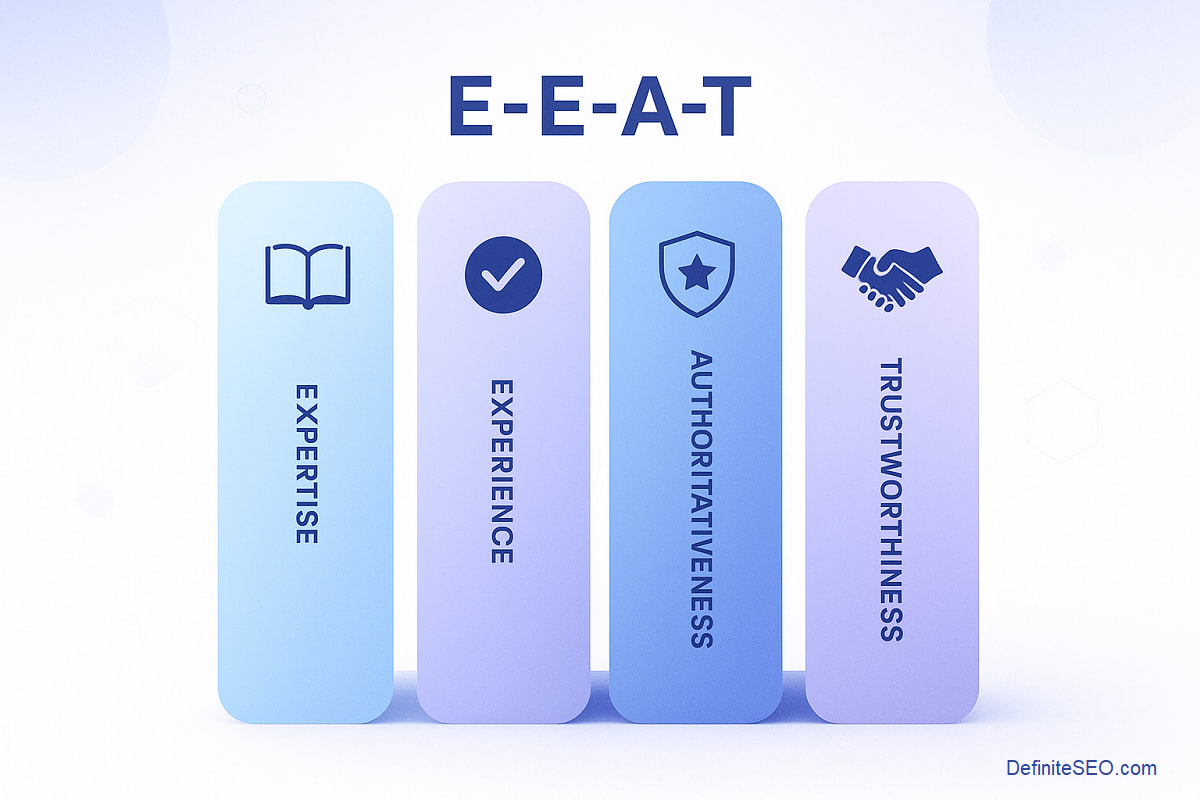
EEAT represents four distinct but interdependent pillars of credibility. Although each plays a different role, they’re evaluated holistically by search systems that examine everything from content quality to backlinks to brand reputation.
-
Expertise
Expertise focuses on whether the author or publisher demonstrates deep subject knowledge. Search engines look for signals of mastery, not superficial writing. That includes well-structured explanations, technical accuracy, consistent terminology, and insights that reflect genuine competence in the topic.
-
Experience
Experience evaluates whether content reflects real-world involvement. Search engines now analyze whether a writer has done the thing they’re talking about: used the tool, executed the process, completed the research, or interacted with the product or service in a tangible way.
This is especially important for product reviews, tutorials, health advice, and any scenario where lived experience improves guidance quality.
-
Authoritativeness
Authority revolves around recognition by others. If trusted publications cite you, if experts endorse your work, or if your brand is known within the industry, these signals strengthen perceived authority. Author pages, credentials, published research, awards, guest appearances, and entity associations all contribute to this dimension.
-
Trustworthiness
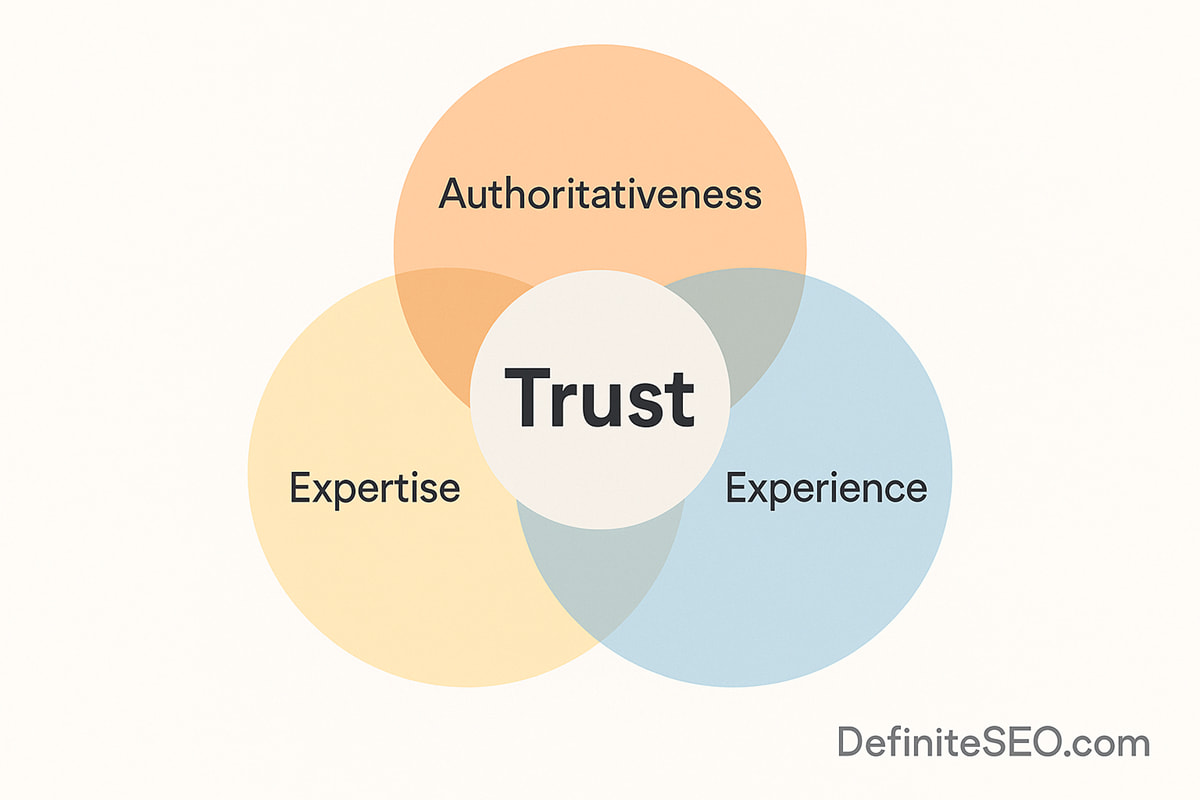
Trust is ultimately the foundation of EEAT. It encompasses everything that communicates credibility: accuracy, transparency, editorial standards, privacy policies, fact-checking, brand reputation, and honest representations of information.
Search engines want to recommend sources users can rely on without hesitation. Trust is the expectation; expertise and authority simply reinforce it.
EAT vs EEAT: What Changed and Why It Matters
The original EAT framework; Expertise, Authoritativeness, and Trustworthiness, served as Google’s foundation for evaluating content credibility for years. It focused primarily on whether the author or publisher could be considered a reliable source on a given topic. As the web evolved and more content started looking similar on the surface, Google needed stronger signals to distinguish writers who had genuine subject understanding from those simply repackaging existing information. This shift is what led to the expansion from EAT to EEAT.
The added “Experience” element acknowledges that users value content created by people who have actually performed the actions they describe. While expertise reflects knowledge, experience reflects involvement. You can explain SEO in theory, but showing that you have completed audits, worked with clients, or tested strategies gives your insights a dimension that pure research cannot replicate. This nuance helps search engines evaluate authenticity in a landscape where AI-generated and derivative content continues to rise.
Experience also helps algorithms understand intent more accurately. When a guide includes real workflows, screenshots, or observations from the field, it becomes clear that the author is not simply compiling information but contributing original value. Search systems treat that distinction seriously, especially in areas where outcomes depend heavily on practical context. Tutorials, tool comparisons, reviews, and decision-making guides all benefit from visible experience.
In practical terms, the move from EAT to EEAT means that content creators must go beyond summarizing best practices. They must demonstrate participation, provide evidence of work, and share genuine insights built from doing the thing instead of merely describing it. As a result, the gap between high-quality content and generic writing becomes easier for both users and search engines to identify. The brands that embrace this shift are the ones that benefit most in long-term visibility.
How Search Engines Evaluate EEAT in 2026
Search systems in 2026 rely heavily on entity understanding and semantic analysis. Instead of merely scanning words on a page, they analyze relationships between topics, authors, and contextual information that helps validate the source.
-
AI Summaries and Answer Engines
Platforms like ChatGPT, Gemini, and Perplexity now generate answers by synthesizing credible content. When they determine which sources to consult, EEAT becomes a primary factor. Credible sources influence more AI-generated summaries, which then amplify traffic and visibility.
-
Entity Recognition and Knowledge Graphs
Search algorithms map authors, brands, and organizations as entities. If your name or brand is referenced consistently across the web, the system can correlate your identity with the topics you cover. Strong entity signals elevate perceived authority.
-
Reputation and Sentiment Signals
Search systems interpret reviews, ratings, editorial mentions, professional affiliations, and even user discussions across forums to identify whether a brand is trustworthy. Negative sentiment, unresolved complaints, and inconsistent branding can directly affect EEAT perception.
-
Content Depth and Topical Coverage
High-ranking pages demonstrate depth, context, and completeness. Engines assess whether content answers user intent comprehensively and whether the site maintains expertise across related topics.
Building Expertise Through Content Quality
Expertise begins with the content itself so I always advise to create helpful, reliable, people-first content. A page can only signal expertise when the writing demonstrates a high level of subject knowledge. That means presenting ideas with clarity, explaining concepts in ways novices can understand, and offering advanced insights that resonate with experienced readers.
One way to strengthen expertise is to structure each article around foundational concepts before moving into advanced applications. This helps search engines map your topical hierarchy and reinforces your authority within a cluster. A reader should feel that your content goes deeper than competitors not because it’s longer, but because it is richer, more coherent, and more practically useful.
Expert writing relies on precision. Vague generalities weaken perceived authority; specific terminology, frameworks, and examples strengthen it. To strengthen topical depth and help search engines interpret context more accurately, it’s worth understanding how semantic signals have evolved, and my analysis of whether LSI keywords still matter puts these changes into perspective. Writers often overlook how these semantic shifts influence the clarity and depth of their explanations, especially when covering technical subjects. For instance, when explaining something like keyword placement, referencing contextual signals, semantic relevance, and search intent shows deeper mastery than simply listing where keywords should go. This principle applies across all content topics.
While expertise often begins with subject knowledge, it becomes most impactful when combined with editorial discipline. Consistent formatting, logical flow, accurate data, contextual definitions, and polished presentation all reinforce the perception of a knowledgeable source. Even elements like clear title tags or well-crafted meta descriptions play a supporting role by signaling organization and clarity of thought.
Demonstrating Real Experience in Your Content
Experience has become a defining part of high-ranking content, particularly after Google expanded “EAT” to “EEAT.” The shift highlighted a simple truth: people trust sources that have actually lived the subject matter, not those repeating information found elsewhere.
The strongest way to demonstrate experience is through original insights. That could be a firsthand observation, a step-by-step walkthrough, or a personal learning moment. When readers sense that an author learned something through real involvement, credibility rises naturally.
Screenshots, personal notes, data you collected, case results, and process descriptions all reinforce experience.
Experience can also appear in micro-details: the quirks of using a tool, common mistakes people overlook, or a nuanced explanation that only someone hands-on would know. These subtleties help differentiate genuine expertise from surface-level content.
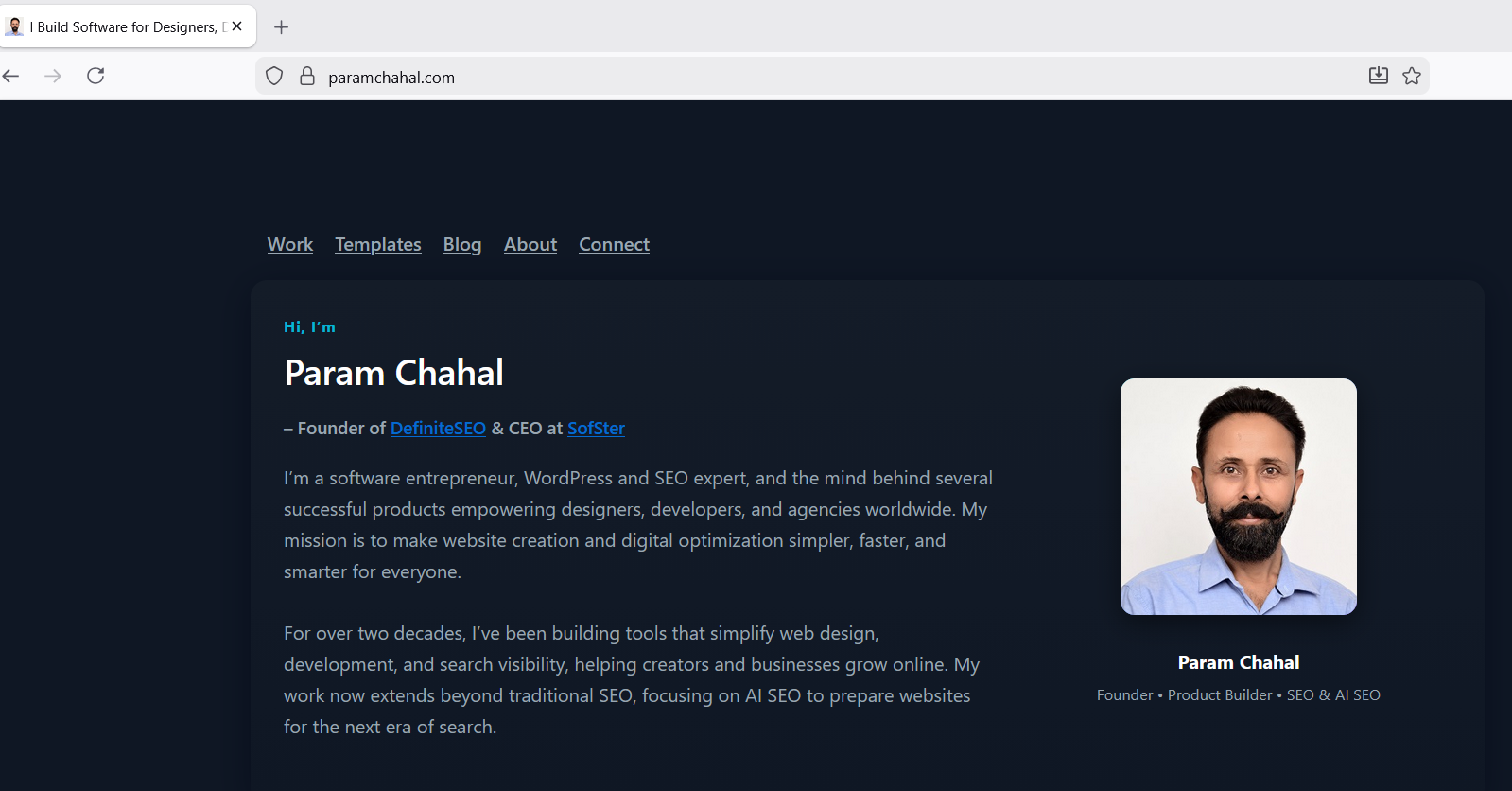
Another powerful signal is author background. When writers explicitly state how long they’ve worked with a topic, what they’ve built, or what real-world challenges they’ve solved, search engines and readers interpret this as proof of involvement. This is why well-developed author bios and transparent credentials matter.
In my own work at DefiniteSEO, I’ve seen how even small traces of firsthand insight can change how readers respond to an article. When I share what actually happened during an audit, or explain why a particular optimization succeeded or failed, engagement and trust rise noticeably. Readers instinctively recognize the difference between theory and lived experience, and those real observations often become the parts people reference or share the most.
Strengthening Authoritativeness Through Signals and Mentions
Authority is earned, not declared. It emerges from the recognition your brand or authors receive from credible sources, whether those are industry websites, expert reviews, or well-respected communities. Search engines treat authority as a validation layer. When others rely on your expertise, cite your work, or reference your insights, engines interpret these signals as indicators of industry trust.
One of the clearest ways to build authority is through consistent topical coverage. When a website produces high-quality articles across all major subtopics within a field, it begins to form a topic cluster that reinforces authority in the eyes of both users and search engines.
External signals matter just as much. Citations from reputable websites, guest interviews, community recognition, and backlinks from respected sources contribute to authoritativeness. Search engines evaluate not only the volume of links but also their relevance, the credibility of the referring domain, and the context surrounding the mention. A single authoritative mention can outweigh dozens of weak links.
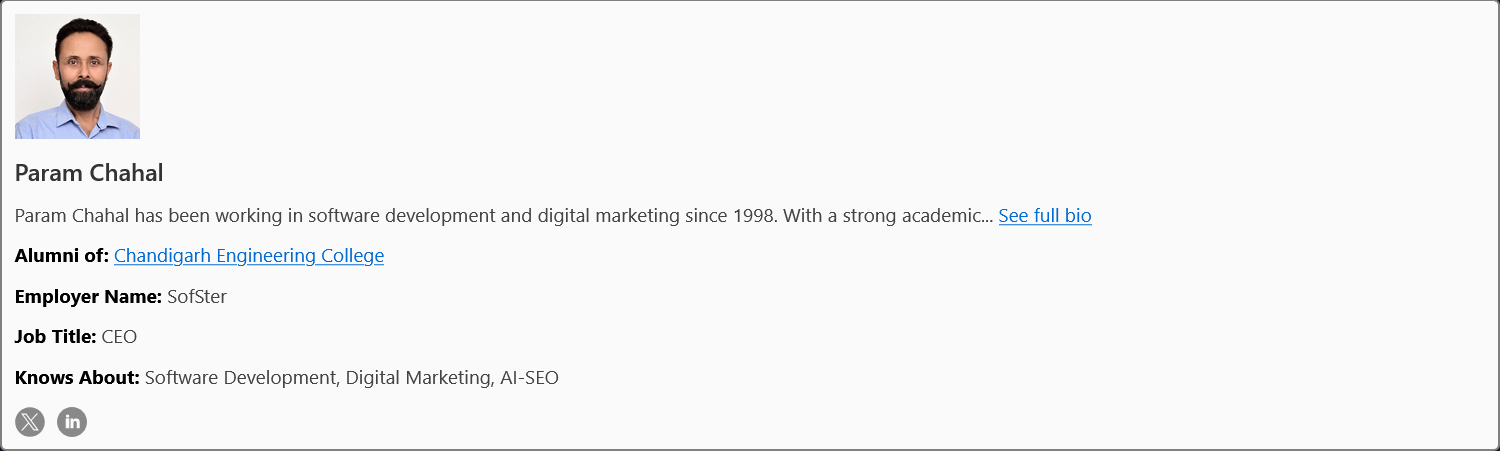
Authority also forms at the author level. Individual writers accumulate authority when their work is referenced across platforms, when they maintain complete author pages enriched with credentials, and when they are cited in discussions or third-party publications. High-performing brands often invest in detailed author hubs that include bios, certifications, experience highlights, and links to long-form work. These elements help search systems associate an author with specific topics, strengthening their profile as a recognized expert.
Another subtle but essential factor is professional oversight. For content involving sensitive topics, having experts review and validate information contributes significantly to perceived authority. Editorial review processes, revision history, and transparent publishing standards are all methods of reinforcing that content was produced responsibly.
As you build authoritativeness, the goal is not simply to broadcast expertise but to demonstrate that your voice is acknowledged and trusted by others. Authority compounds over time, and the more your content participates in the broader knowledge ecosystem, the more search engines view your brand as a reliable source.
Trustworthiness Essentials: Transparency, Accuracy, and Safety
Trust is the grounding force of EEAT. Even compelling expertise and strong authority mean little if users cannot rely on your information. Search engines prioritize trust as the core component because it directly affects user safety, comprehension, and satisfaction. The clearer and more transparent your practices are, the stronger your trust signals become.
One of the most effective ways to build trust is through accuracy. Users expect information to be correct, up-to-date, and supported by credible facts. Citing authoritative sources, linking to official documentation, and referencing real data contribute to a perception of reliability. When dealing with fast-changing topics, periodic content reviews help maintain credibility. This is especially relevant for material that touches on search algorithms, ranking factors, or technical SEO processes.
Transparency forms another pillar of trustworthiness. Clear author identification, accessible contact information, and readable policies all help visitors understand who stands behind the content. Users should be able to identify the person or team responsible for the article, see when it was last updated, and understand the editorial process behind what they’re reading. Even small details, like noting when you’ve tested a strategy personally, strengthen the user’s sense of authenticity.
Safety is equally important. Secure browsing, privacy protection, and ethical data handling are essential for maintaining trust. Search engines evaluate the presence of HTTPS, proper cookie notices, and privacy policies as indicators of a trustworthy environment. A site with broken security or misleading practices signals risk, and engines respond by limiting its visibility.
Trust also relies heavily on consistency. A website that maintains a coherent voice, reliable formatting, and predictable quality signals stability.
Editorial Standards & Content Review Processes
Strong editorial standards are a core part of how trust is established, both in the eyes of users and modern search systems. When content is produced within a defined review structure, it signals that accuracy, clarity, and transparency are not afterthoughts but part of an intentional publishing philosophy. Search engines increasingly look for signs that a website treats information responsibly, and a clear editorial framework helps them understand that your content wasn’t created casually or without oversight.
A reliable editorial process begins with how topics are chosen and validated. High-performing websites tend to select subjects based on genuine user questions, confirmed knowledge gaps, and their own areas of expertise rather than opportunistic keyword lists. This ensures that every article serves a purpose, aligns with the author’s strengths, and contributes meaningfully to the broader content ecosystem instead of simply responding to trends.
Fact-checking and accuracy checks form the next layer. Before an article is published, key claims should be validated against authoritative sources, and contextual statements should be reviewed for clarity. This applies not only to data-heavy content but also to strategic and instructional pieces. When an article includes step-by-step guidance, tool recommendations, or interpretations of industry developments, verifying the accuracy of each detail helps maintain long-term trust. Routine updates, whether quarterly or tied to significant industry changes reinforce this commitment to accuracy over time.
EEAT for YMYL Pages
Your-Money-Your-Life (YMYL) pages face the highest standards of scrutiny because they can influence a person’s well-being, finances, health, legal protection, or safety. Search engines apply stricter guidelines to these topics in order to prevent misinformation, exploitative practices, or misleading content from reaching users.
To perform well in YMYL categories, websites must showcase strong credentials. Authors should provide verifiable experience, professional certifications, or a clear background in the subject matter. Medical advice, legal insights, and financial guidance all require a level of authority that general writers cannot substitute with research alone. Pages without appropriate expertise risk losing visibility even if they are technically optimized.
Accuracy becomes paramount for YMYL topics. Engines analyze whether claims are supported by reputable sources and whether the content references accepted standards. When discussing topics that involve risk or major decisions, disclaimers and clear explanations help contextualize the information. Transparency about the scope and purpose of the content prevents misunderstandings and builds user trust.
Experience also takes on additional importance. When discussing health devices, a review conducted by someone who has personally used the product carries more weight than aggregated opinions. Similarly, financial advice that includes specific examples, decision frameworks, or real-world observations improves perceived reliability.
Editorial review processes are especially important for YMYL pages. Having a subject-matter expert validate information can elevate authority significantly. Revision dates, version history, and review notes serve as clear signals that care was taken to ensure accuracy.
While EEAT matters across all types of content, it becomes non-negotiable for YMYL topics. Without strong credibility, engines will not elevate a page into the results where user decisions carry significant consequences. For brands operating in YMYL spaces, building a strategic EEAT framework is not optional; it is essential for sustainable visibility.
Brand Signals and Reputation Management
A website’s reputation has always played a role in SEO, but modern search systems evaluate it more deeply than ever. Reputation is no longer limited to customer reviews or testimonials. It now extends to expert recognition, community sentiment, third-party listings, industry discussions, and even the consistency of brand presence across the web.
When users encounter your brand, their interactions form a mosaic of perceptions. If those interactions are positive, engines interpret your brand as a trustworthy resource. If they are fragmented or negative, engines view the brand as risky. The broader and more consistent your positive signals are, the stronger your EEAT foundation becomes.
A major component of brand reputation is third-party validation. When respected websites reference your work, quote your insights, or list your brand as a recommended resource, those signals confirm your authority. Community-based platforms, forums, and independent blogs can also contribute meaningfully. These are the mentions engines evaluate to determine whether industry participants recognize your credibility.
Another dimension is user feedback. Reviews, ratings, and social engagement all contribute to a brand’s sentiment profile. A pattern of unresolved issues or negative commentary can slowly erode trust signals. Monitoring reviews and addressing user concerns is essential not only for reputation but for search performance.
Brand identity also influences EEAT. Search engines favor entities with consistent names, bios, contact details, and public information. Inconsistent or incomplete data can signal unreliability. The clearer your brand’s identity is across platforms, the more confidently search systems can associate you with your content topics.
Reputation management is ultimately about shaping how users and systems perceive you. The more your brand appears as a stable, trustworthy, consistent entity, the more confidently search engines will elevate your content.
How to Perform a Complete EEAT Audit (Step-by-Step Framework)
When I review EEAT signals for clients, one pattern I consistently notice is that gaps rarely come from technical weaknesses alone. More often, the issue lies in missing context or absent author clarity. Content may be well written, but without visible experience or supporting evidence, it doesn’t feel grounded. These are the elements I focus on first during an audit, because tightening them often delivers the fastest improvements in both trust and rankings.
A structured EEAT audit helps you understand how search engines and users perceive your credibility, and it gives you a clear workflow you can follow each quarter. Instead of scanning pages at random or making assumptions about authority signals, my EEAT Audit framework walks you through the essential checkpoints that reveal how well your content truly reflects expertise, experience, authoritativeness, and trustworthiness. Each step focuses on a different layer of your site, creating a comprehensive picture of where you stand and what needs improvement
-
Step 1: Review Individual Pages for Depth and Expertise
Begin by examining content quality on a page-by-page level. Look for clarity, accuracy, and depth. Ask whether the article explains the subject with real understanding or simply repeats surface-level ideas. Strong pages demonstrate expertise through detailed explanations, use of correct terminology, and insights that feel genuinely informed. This is also the moment to check supporting elements such as internal links to related resources, up-to-date references, and visuals that reinforce the content’s depth.
-
Step 2: Assess Author Visibility and Experience
Next, focus on the person behind the content. Make sure the author’s name and background are clearly presented, with bios that explain relevant experience or subject knowledge. Articles benefit strongly from personal observations, screenshots, anecdotes, or examples that signal direct involvement with the topic. If a page reads like it could have been written by anyone, it likely needs stronger experience signals.
-
Step 3: Audit Site-Wide Trust Factors
Then evaluate trustworthiness across the broader site. This includes checking for secure performance, clear contact information, accessible policies, consistent formatting, and accurate content. Outdated pages or contradictory statements can quietly weaken trust, so identifying these issues early is important. Look for broken elements, missing updates, and areas where transparency can be improved.
-
Step 4: Evaluate External Authority Signals
Shift attention to reputation beyond your website. Analyze backlinks, brand mentions, expert citations, and user reviews that influence how search systems interpret your authority. Consider where your brand is being discussed, how often it appears in third-party contexts, and whether those conversations are positive. This step gives you a clearer understanding of your external credibility.
-
Step 5: Create a Prioritized Action Plan
End the audit by organizing findings into a clear, actionable list. Tackle accuracy updates first, then fix author visibility gaps, strengthen trust signals, and pursue authority-building opportunities. The key is to move systematically rather than attempting to fix everything at once. A focused plan keeps your EEAT strategy sustainable and aligned with long-term visibility goals.
On-Page Elements That Influence EEAT
On-page optimization plays a more subtle but essential role in strengthening EEAT. While many discussions focus on backlinks or reputation signals, credible content begins with what appears on the page itself. Users and search engines form impressions rapidly, often within seconds, and those impressions depend heavily on how information is presented.
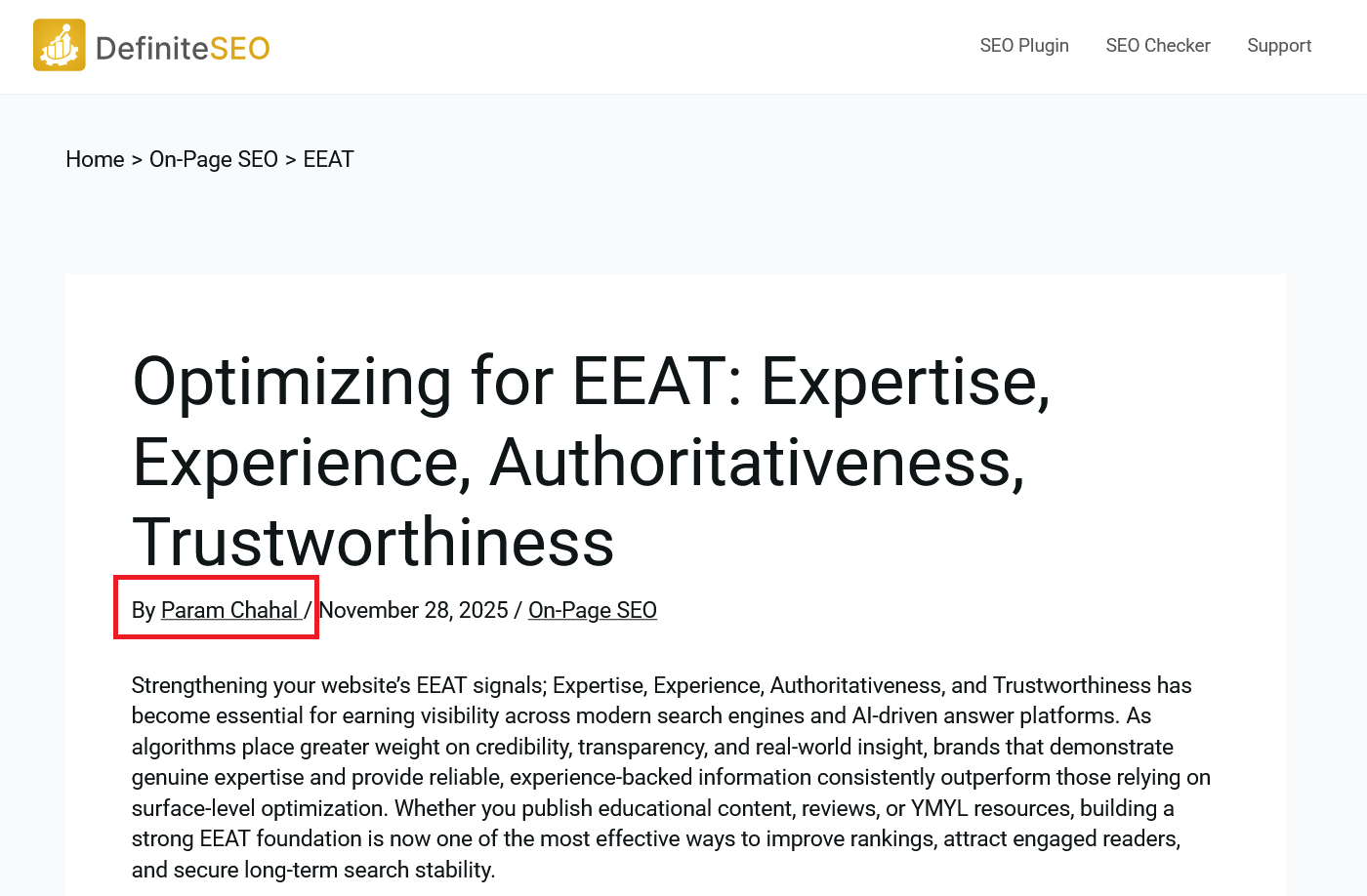
A foundational component is author visibility. Each article should clearly display the writer’s name, background, and relevant expertise. When a user can immediately identify who created the content, trust forms more naturally. Search engines interpret transparent author attribution as a signal that the publisher is committed to accountability. Well-designed author bios, enriched with experience statements, credentials, and links to additional work, elevate perceived authority across all pages.
Another important factor is the clarity and coherence of the content. A well-structured article with organized sections, intuitive flow, and precise explanations reflects professionalism. Pages should guide users effortlessly, allowing them to grasp complex ideas without feeling overwhelmed. Internal linking supports this experience, providing context and directing them toward deeper resources. For example, if a reader wants to better understand how to optimize visuals, linking to your guide on Image SEO provides immediate value and creates a cohesive content ecosystem.
Citations and references also influence trustworthiness. When content references reliable sources, respected research, or official documentation, users sense confidence in the information. Search engines interpret these citations as indicators of accuracy and authenticity. Referencing outdated or non-authoritative material can weaken the credibility of even well-written content.
Visual elements like Optimized Images contribute to EEAT as well. Screenshots, charts, photos, and examples help demonstrate firsthand experience. They show that the writer has interacted with tools, analyzed data, or conducted testing. These details create depth and realism that algorithms increasingly associate with high-quality content.
On-page trust signals extend beyond the article itself. Pages benefit from well-written title tags and meta descriptions that accurately represent the content’s focus. When users feel that titles match the substance of the page, trust begins before they even click.
Technical stability rounds out the on-page picture. A secure connection, fast loading speed, clean design, and error-free functionality all contribute to the perception of a trustworthy source. When users encounter broken elements, their confidence drops instantly. Engines similarly interpret technical inconsistencies as potential quality issues, which can indirectly weaken EEAT.
Together, these on-page elements form a foundation of credibility that both users and algorithms recognize. They shape the environment in which your expertise is delivered and help reinforce the sense that your content is reliable, relevant, and grounded in real-world knowledge.
Off-Page Elements That Reinforce EEAT
If on-page elements form the core of your credibility, off-page factors provide the external validation that completes the picture. Search engines rely heavily on signals outside your domain to determine whether you are recognized, cited, or respected within your field. These signals help algorithms cross-check your claims and evaluate whether industry peers view you as a trustworthy source.
Backlinks remain one of the strongest off-page indicators of authority. A single link from a reputable, relevant domain communicates more trust than dozens of generic links. Engines analyze not only the domain’s credibility but also the context in which your content is referenced. When your work is cited in valuable discussions or featured as a recommended resource, that directly reinforces your authority.
Beyond backlinks, brand mentions have become increasingly important. Even unlinked references can influence search systems, particularly when they appear on trusted platforms. Reviews, press mentions, industry roundups, community forums, and expert discussions all contribute to the perception of your reputation. Engines treat these signals as impartial assessments of your expertise.
Knowledge panels, entity recognition, and consistent citations across directories also contribute significantly. When your brand appears consistently across authoritative third-party sources, engines can confidently map your entity to topics, boosting your relevance in queries. This is particularly beneficial for businesses aiming to build recognition within a competitive niche.

Social presence plays a supporting role. While social signals may not directly affect rankings, they influence brand perception and visibility. When thought leaders engage with your content, when users share your guides organically, and when communities reference your insights, these become indications of credibility. Over time, these mentions form a pattern that reinforces your reputation.
Guest contributions and expert collaborations further strengthen authority. Writing for respected publications, participating in interviews, contributing research, or collaborating with recognized professionals elevates both author and brand expertise. These external validations signal that your voice is valued beyond your own platform.
Public feedback, including reviews and ratings, also affects perceived trust. Consistent positive sentiment, thoughtful customer responses, and transparency in addressing critiques contribute to a holistic impression of reliability. Engines analyze these signals as part of the broader landscape of brand trust.
Off-page elements ultimately provide proof. They show that the industry recognizes your contributions and that your expertise extends beyond self-published content. By cultivating a strong off-page profile, you reinforce every on-page signal and build a more robust EEAT ecosystem that holds up under scrutiny.
Examples of High-EEAT Content
Examining high-EEAT content provides valuable insights into how the principles of credibility translate into practical execution. The strongest examples share a few common traits: they demonstrate firsthand experience, deliver expert-level depth, reference authoritative sources, and provide clarity through structure and context.
One example comes from in-depth SEO tutorials that combine theoretical understanding with practical walkthroughs. These pieces often include screenshots, real data, and personal observations. They show not only what works but why it works. A reader senses that the author is drawing from extensive experience, not repeating common knowledge. This blend of theory and practice communicates both expertise and experience naturally.
Product reviews that demonstrate firsthand testing are another prime example. High-EEAT reviews do not simply summarize features; they evaluate performance, discuss limitations, compare alternatives, and provide evidence of use. Photos, metrics, and practical scenarios show that the author interacted with the product meaningfully. Search engines now prioritize reviews that reflect real-world involvement, making this type of approach essential.
Case studies also demonstrate strong EEAT qualities. They present a narrative that includes context, methodology, challenges, results, and insights. Case studies often include data, screenshots, timelines, or other forms of evidence that validate the author’s experience. This level of transparency builds trust and authority quickly.
In YMYL sectors, high-EEAT content often includes professional credentials, expert validation, and meticulous attention to accuracy. Medical or financial advice articles routinely include citations from official organizations, recent studies, and accredited professionals. This level of diligence communicates a commitment to user safety and information integrity.
Comprehensive guides in technical fields often illustrate strong EEAT by providing frameworks, step-by-step processes, and expert commentary. The depth of insight is clear, yet the information is delivered in a structured, accessible format. A user gains not only clarity but confidence that the source knows the subject deeply.
Across all these examples, the common thread is authenticity. High-EEAT content does not attempt to appear expert; it simply reflects genuine expertise, hands-on involvement, and a commitment to accuracy. This authenticity is what modern search engines increasingly reward.
Tools to Improve EEAT on Your Website
Improving EEAT depends not only on strong writing but on how clearly a website documents its expertise, experience, and editorial rigor. Search engines interpret credibility through structured signals; authorship data, experience documentation, review processes, and schema. While many SEO workflows rely on scattered plugins or manual steps, tools that consolidate these tasks make the entire process far more consistent. DefiniteSEO WordPress plugin is one example of how these credibility signals can be built into everyday publishing without slowing teams down or adding unnecessary complexity.
Why EEAT Tools Matter
SEO is shifting toward a model where credibility must be demonstrated, not implied. Even the most well-written content becomes difficult for search engines to evaluate if authorship isn’t clear, identity signals are missing, or the site lacks traceable editorial processes. Tools that help formalize these elements reduce ambiguity. They turn expertise into structured information, experience into contextual evidence, and trust into something that can be displayed both to readers and to algorithms.
EEAT Skills Module in the Dashboard (Site-Wide Controls)
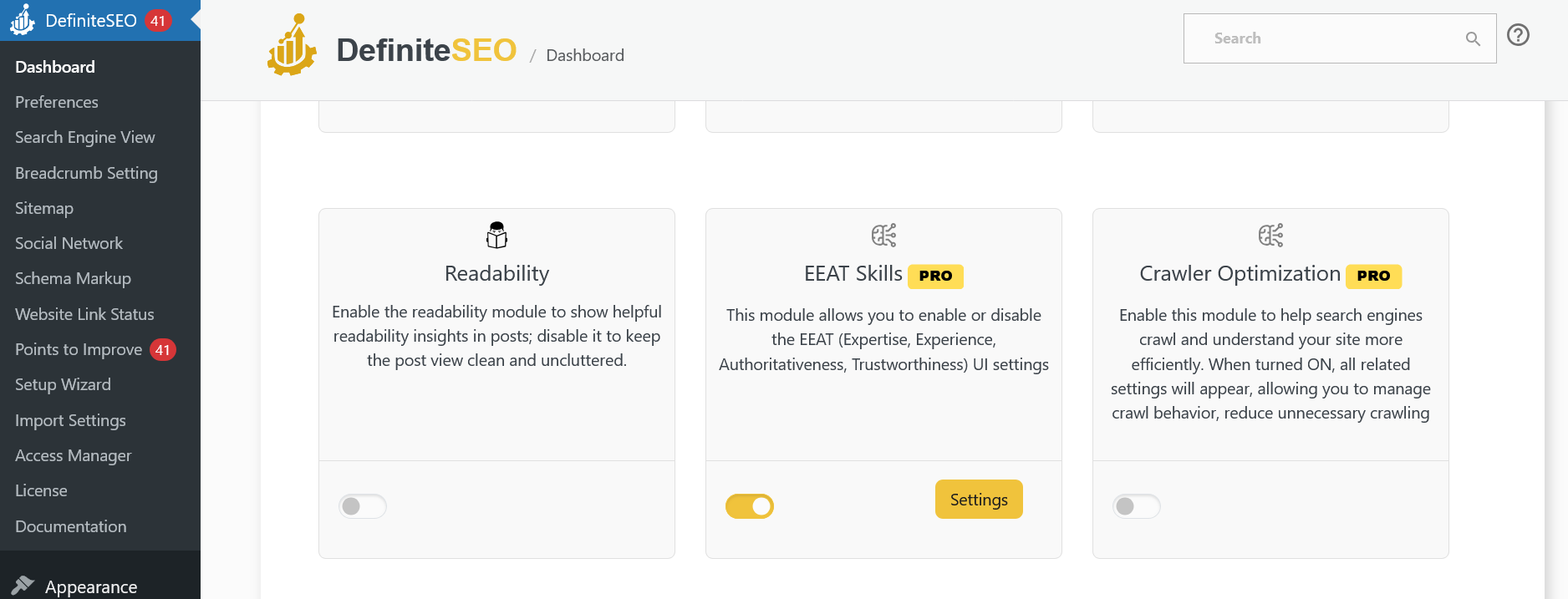
The EEAT module in the DefiniteSEO dashboard functions as the global control for activating EEAT features across the plugin. It is disabled by default because not every website owner needs or chooses to use EEAT-focused functionality. Once enabled, it reveals all related options in DefiniteSEO, including author experience fields, reviewer assignment, identity attributes, and schema generation. For users who want to strengthen their EEAT signals, turning on this module is the essential first step, since every other configuration depends on it being active.
Structured Author Profiles & Knowledge Graph Signals
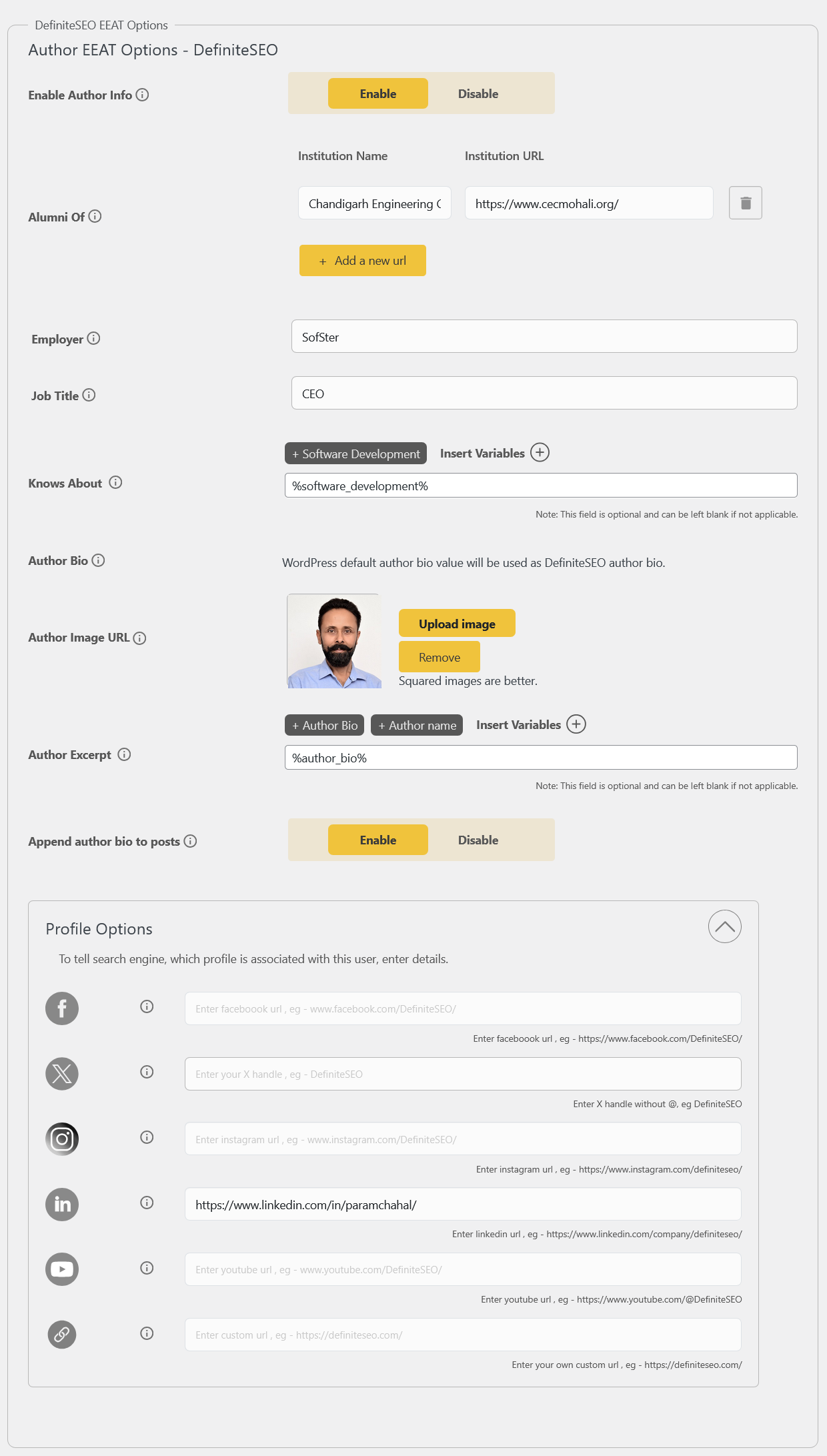
Search engines evaluate authors as entities, not simply as names printed above a headline. DefiniteSEO’s author profile system makes it easier to present identity information in a structured, consistent format. Authors can add their:
- educational background
- job title
- employer
- alumni organization
- biography
- professional headshot
- social profiles (LinkedIn, Twitter/X, YouTube, etc.)
- areas of expertise (“knows about”)
Each field contributes to a richer author entity, one that AI-driven search systems can interpret more confidently. These signals help tie authorship to a broader digital presence, increasing the likelihood that the author is recognized as an expert in their subject area.
For adding author details just head to the user profile from WordPress Dashboard.
Defining Author Experience & Expertise (EEAT Skills Module)
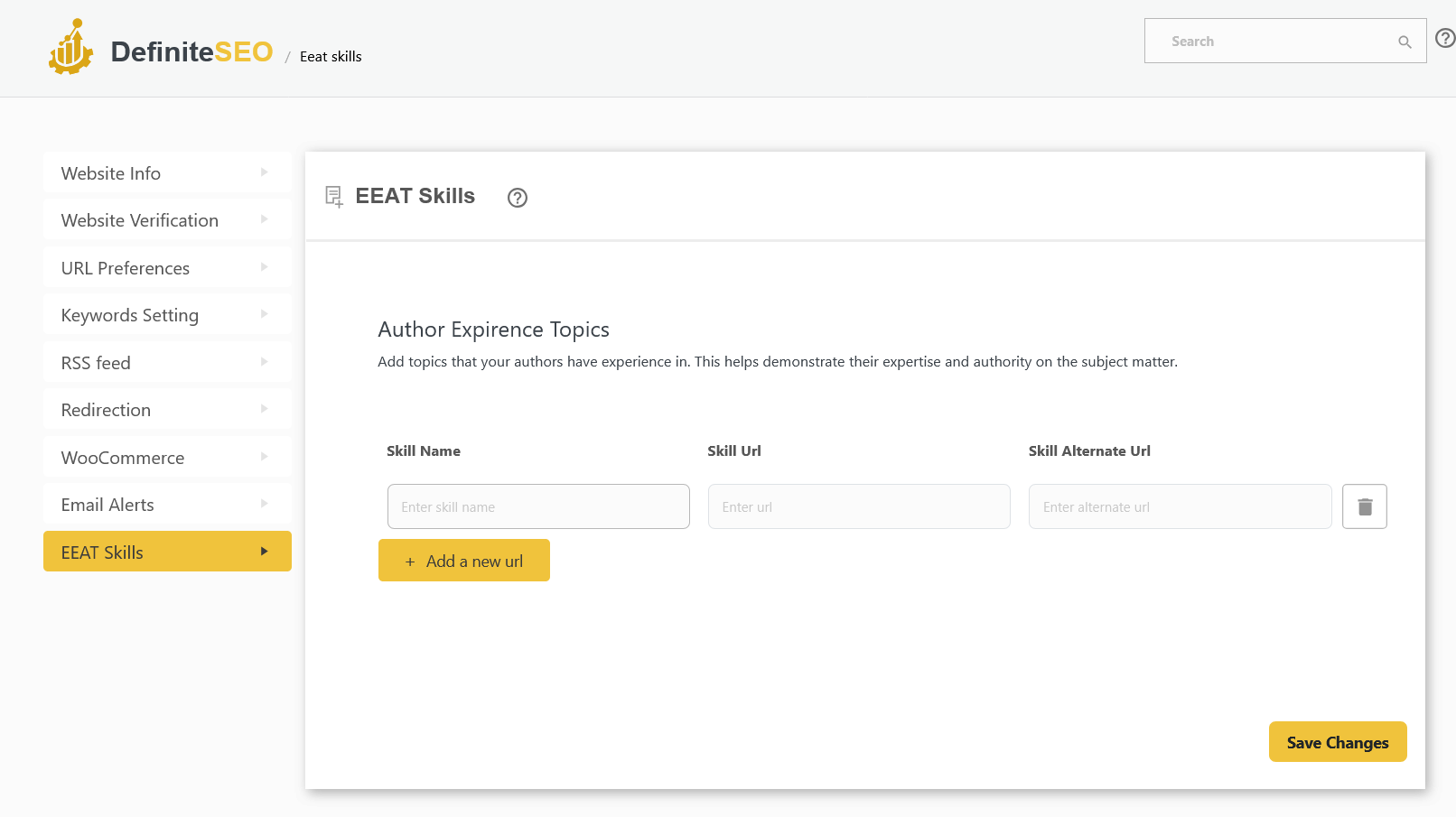
Experience is central to EEAT, yet it is rarely documented well. DefiniteSEO addresses this by introducing an EEAT Skills module where site owners can define the specific topics an author has real-world experience with. These can include broad categories like “Software Development” or more specific areas such as “Digital Marketing”. Each skill can link to a supporting URL, an article, portfolio piece, social profile, certification, or project reference.
This structure gives search engines clearer context about the author’s background and helps establish topical relevance. When an author consistently writes about topics that match their defined experience, it creates alignment between identity signals and published content, which is exactly what modern algorithms look for.
Author & Reviewer Assignment Tools
One of the clearest ways to signal trust is by assigning responsibility for a piece of content. DefiniteSEO extends the default WordPress editor by letting publishers select both an Author and a Reviewer for each post. This mirrors the editorial workflows used by reputable publications and makes it easy to show who wrote the article and who validated the information.
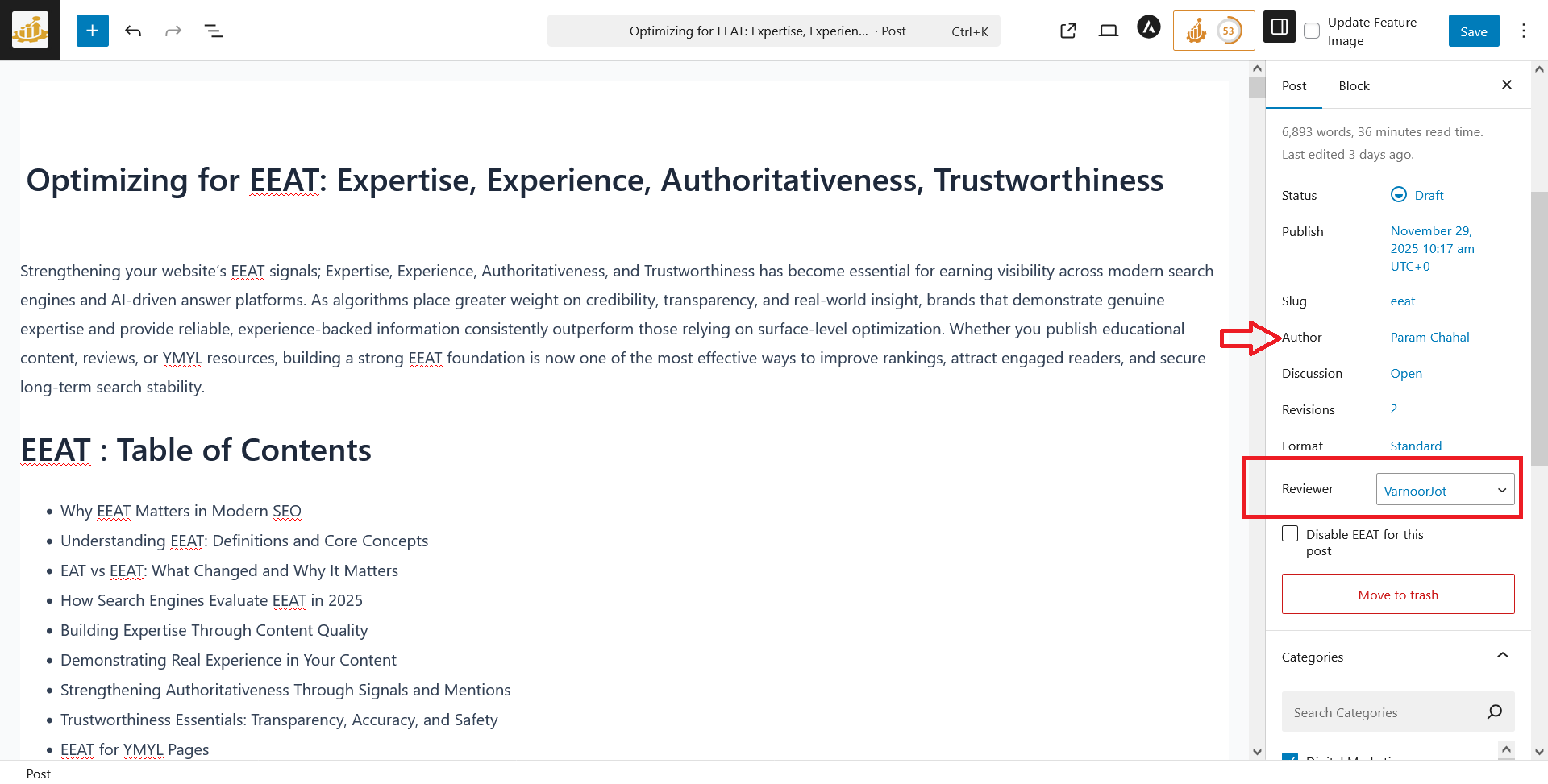
Assigning a reviewer becomes especially important in instructional, technical, or sensitive content. It communicates that the material has gone through a second layer of review, which is a meaningful trust cue for both readers and search engines. It also supports Reviewer Schema when configured, adding a formal representation of the review process in structured data.
Automatically Generated Author Schema (JSON-LD)
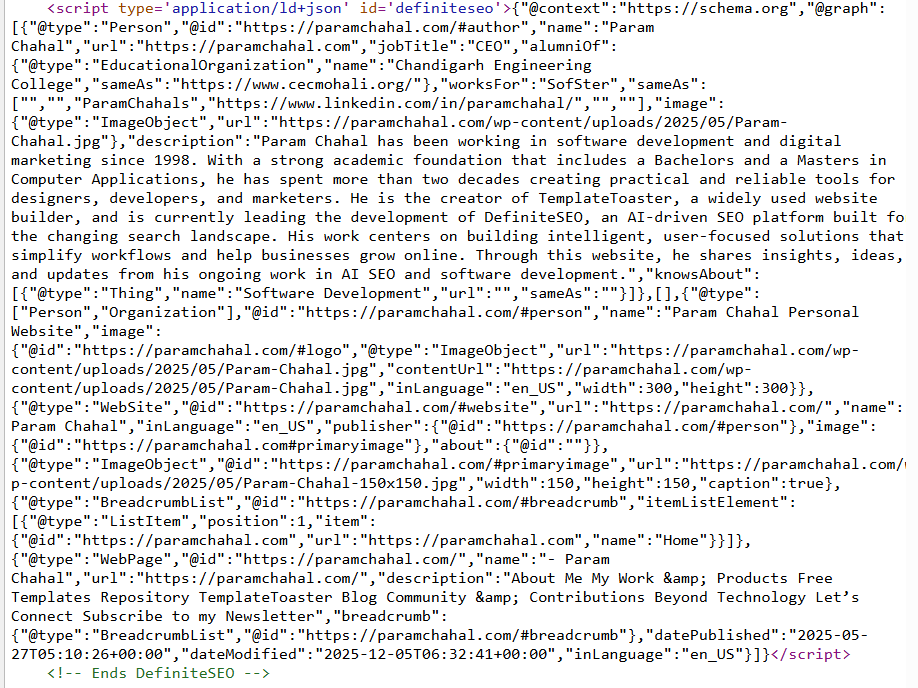
DefiniteSEO compiles all author-related information into Person Schema, which is automatically injected as JSON-LD. This structured data helps search engines:
- verify the author’s identity
- understand their qualifications
- connect their work across the web
- map them to a topical footprint through “knowsAbout” fields
- confirm external profile consistency through
sameAsURLs
A complete schema profile increases trust because it gives search engines a factual foundation for interpreting who the author is and what they specialize in. It also reduces the risk of misattribution or identity confusion problems that become more common as AI summarizes and repackages content.
Reviewer Schema Support
When a reviewer is assigned to a post, DefiniteSEO also generates structured markup representing that reviewer’s identity. This creates a formal connection between the article and the person who validated it. Reviewer Schema is particularly relevant in YMYL scenarios; financial guidance, health information, legal explanations, and technical walkthroughs, but it adds credibility to any content category.
How These Tools Work Together to Strengthen EEAT
No single feature creates EEAT on a website. It is the combined effect of clear authorship, documented experience, structured identity, and visible editorial review that builds true credibility. DefiniteSEO’s approach is effective because it treats EEAT not as a checklist but as a publishing practice, embedded directly into the writing workflow, captured through structured fields, and communicated to search engines through schema.
When a site consistently demonstrates who writes the content, what qualifies them, what topics they have experience with, and how the content was validated, it becomes far easier for search systems to classify the material as trustworthy. Over time, this level of clarity contributes to stronger visibility, better user trust, and a more authoritative presence across both traditional search and AI-driven discovery.
EEAT Mistakes to Avoid
While many brands recognize the importance of EEAT, misunderstandings often lead to ineffective or even counterproductive strategies. Avoiding these mistakes is just as important as implementing best practices, because missteps can quietly erode user trust and weaken your authority over time.
One common mistake is focusing on superficial credentials instead of demonstrating real expertise. Listing awards, degrees, or affiliations can help, but they cannot compensate for shallow content. If the article lacks depth, insight, or practical value, no amount of credentials can elevate it. Users and search engines both detect when information feels generic, and credibility declines quickly as a result.
Another frequent misstep is overreliance on AI-generated content without proper review. AI tools can support research and drafting, but relying on them exclusively creates patterns that feel formulaic and impersonal. Content that lacks human insight, original thought, or unique experience signals weak EEAT. Engines increasingly assess whether writing reflects genuine involvement. When content reads like it could appear on any competitor’s page, credibility diminishes.
Some sites attempt to appear trustworthy by adding citations to well-known sources without verifying the accuracy or context of those references. This practice risks not only factual mistakes but also undermines trust. Users expect that when you cite a source, you’ve read, understood, and validated it. Search engines also evaluate the relevance and authority of references, so padding a page with superficial citations can have the opposite of the intended effect.
Another mistake lies in neglecting author transparency. Publishing content anonymously or using generic author titles reduces trust. Users and engines want to know who is behind the information and why they should be trusted. Even in non-YMYL topics, hidden authorship creates a sense of uncertainty.
Brands often underestimate the impact of inconsistent information across the site. Outdated articles, contradictory statements, or mismatched data weaken perceived reliability. Inconsistent content signals a lack of editorial oversight, which search systems interpret as risk.
Finally, ignoring user feedback is a missed opportunity. Users often point out unclear explanations, errors, or missing details. Responding to feedback not only improves content quality but also strengthens the perception that the brand cares about accuracy and transparency. Silence, on the other hand, can create doubt.
Avoiding these mistakes ensures that your EEAT efforts are sustainable, credible, and aligned with the expectations of modern search engines. When combined with consistent quality and transparency, avoiding these pitfalls strengthens the foundation on which your authority is built.
Future of EEAT
The role of EEAT continues to expand as search engines shift from keyword-based ranking systems to AI-driven evaluation models that prioritize credibility, identity, and context. What began as a framework for assessing content quality has become a foundation for determining whether information deserves visibility in increasingly competitive search environments. Over the next few years, EEAT will likely influence not only how content is ranked but how it is interpreted, summarized, and resurfaced across multiple discovery channels.
One clear direction is the growing importance of author identity. As AI systems rely more on entity-based understanding, authors who establish a consistent digital footprint across professional profiles, publications, and structured data will carry more weight than anonymous or unverified content creators. Search engines will increasingly evaluate whether an author is recognized within the field, whether their work is cited elsewhere, and how consistently their name appears in authoritative contexts. This means personal brands and author entities may eventually carry as much influence as domain-level authority.
Experience will also play a larger role. With the rising availability of generative content, search systems must distinguish between writers who have genuine, hands-on involvement and those who rely solely on abstract summaries. Expect engines to place greater emphasis on content that includes original visuals, firsthand observations, or evidence of real-world application. Over time, the divide between generic content and experience-backed insight will continue to widen, favoring creators who contribute unique value.
Trust signals will evolve as well. Rather than relying on static criteria like HTTPS or basic policies, search algorithms will look for patterns of behavior: whether a site updates its content responsibly, whether errors are corrected transparently, and whether editorial standards hold up under scrutiny. User feedback, sentiment patterns, and third-party reputation will likely factor more heavily into trust assessments as misinformation becomes harder to detect on a surface level.
AI-driven search will also heighten the importance of clear attribution. Content that cites sources transparently or references verifiable data will enter AI summaries more frequently than material that cannot be contextualized or confirmed. The future of visibility will depend not only on writing quality but on traceability, how clearly the content shows where information originated and how it has been validated.
As algorithms continue to refine their understanding of human expertise and intent, EEAT will become less of a checklist and more of a long-term credibility strategy. Brands that embrace transparency, maintain consistent quality, and invest in genuine expertise will benefit the most.
EEAT Optimization Checklist for 2026
Below is a practical, actionable checklist you can use to audit or optimize individual pages, entire content clusters, or your full website. These steps are designed to strengthen the signals that contribute to EEAT and help create a long-term foundation of credibility.
Expertise
- Ensure every article is written by someone with demonstrable subject knowledge.
- Provide clear explanations, frameworks, or methodologies rather than surface summaries.
- Include references to standards, best practices, or industry terminology that experts naturally use.
- Add internal links to deeper supporting resources that reinforce topical mastery.
- Keep author bios updated with certifications, roles, or specializations that relate directly to the subject.
Experience
- Incorporate real-world examples, personal insights, screenshots, or process walk-throughs.
- Add a brief personal note when relevant, describing how you solved a similar problem or discovered a lesson.
- Include visuals or evidence showing you’ve actually used the tools, methods, or strategies being recommended.
Authoritativeness
- Link your authors to strong external profiles such as LinkedIn, GitHub, YouTube, or industry publications.
- Encourage authors to publish consistently on related topics to build topical authority across the site.
- Use third-party mentions, citations, or collaborations to reinforce your credibility beyond your own domain.
- Highlight awards, press features, or major contributions where appropriate.
- Use structured data to help search engines connect your authors to recognized entities across the web.
Trustworthiness
- Display authorship clearly at the top of each article.
- Show the reviewer’s name on posts that required validation or accuracy checks.
- Maintain transparent update history on long-form content, especially tutorials or data-driven posts.
- Use HTTPS, clean site structure, and consistent formatting to reinforce user confidence.
YMYL-Specific Enhancements
- Add reviewer schema for articles involving health, finance, security, legal guidance, or significant decision-making.
- Include citations from reputable institutions, research sources, or regulatory documents.
- Provide disclaimers when content could influence sensitive actions or financial outcomes.
Technical & Structural EEAT Signals
- Implement Person Schema for authors and reviewers with complete identity fields.
- Ensure your About, Contact, and Editorial Guidelines pages are publicly accessible.
- Add organization schema reflecting your brand’s identity, leadership, history, and purpose.
- Verify consistency of author mentions across internal pages, external profiles, and schema.
- Use accurate, descriptive alt text for experience-based screenshots and examples.
Content Quality Signals
- Update outdated content to reflect current practices and current-year search trends.
- Add original visuals, examples, or case studies rather than relying on generic stock images.
- Keep formatting natural and readable, avoiding long blocks of text or overly mechanical structure.
By applying this checklist regularly, you strengthen your site’s authority, improve user experience, and align your content with the evaluation criteria used by modern search engines and AI-driven discovery systems.
FAQs
1. How long does it take to improve EEAT for a new website?
Most websites begin seeing measurable improvements after several months of consistent content quality, stronger author profiles, and improved reputation signals. Building authority takes time, but early gains often appear within three to six months.
2. Does EEAT replace traditional ranking factors like keywords and backlinks?
No. EEAT complements traditional SEO elements. Keywords, backlinks, and technical optimization still matter, but EEAT determines whether a page deserves to rank once other factors are in place.
3. Can small websites compete with large brands in EEAT?
Yes. Smaller sites can outperform bigger brands by publishing in-depth content, demonstrating real experience, and building niche authority. Authentic expertise often outshines size.
4. Should every article include an author bio?
For most websites, yes. Visible authorship improves transparency and credibility. Even general topics benefit from knowing who created the content.
5. Does updating old content help EEAT?
Absolutely. Refreshing outdated information signals ongoing editorial oversight and a commitment to accuracy. Frequent updates strengthen trust and user satisfaction.
6. What’s the biggest EEAT mistake to avoid?
Publishing content without genuine expertise or firsthand experience. Shallow or generic writing is one of the fastest ways to weaken trust and authority.
7. How important is structured data for EEAT?
While not a direct ranking factor, structured data helps search engines understand context, authorship, and page purpose more clearly. This enhances visibility in rich results.
8. Can user reviews affect EEAT?
Yes. Reviews influence both brand sentiment and trust. A consistent pattern of satisfied feedback strengthens off-page trust signals.
9. Does AI-generated content hurt EEAT?
AI-assisted content can be helpful, but publishing AI text without human experience, editing, or validation usually weakens EEAT. Human insight remains essential.
10. How often should I audit my EEAT signals?
A quarterly audit is ideal. Regular reviews help identify outdated pages, missing trust elements, or areas where author profiles need enhancement.